


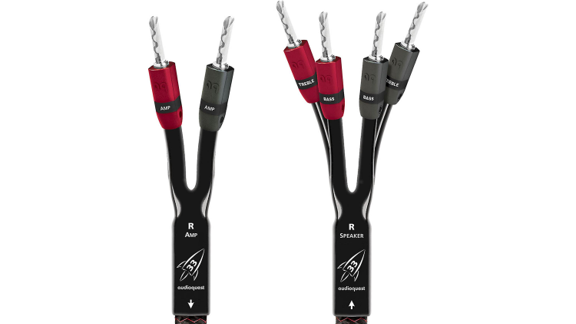
Do I need better cables?
Cables are a tricky topic because there isn’t clear evidence the sound will improve. The build quality and appearance are clearly better than the included cable, but they are out of visual sight so why bother.
The marketing for aftermarket cables is incredibly persuasive and can easily create a fear of missing out. Many enthusiasts often wonder if they’re leaving performance on the table by sticking with the stock cable.
The sheer number of cable manufacturers on the market also suggests that it is a highly profitable segment of the audio industry. That doesn’t necessarily mean the products aren’t worth it because quality cables can offer improved durability, flexibility, and aesthetics, but it does mean you should approach marketing claims with some skepticism.
Pricey cables might incrementally improve your systems sonics but not as much as investing in better speakers or source equipment.
Since I’m not a cable engineer or scientist, I’m unable to predetermine the sonic improvements of a particular cable. When I buy cables for my system my approach is simple. I allocate a percentage of my system’s value toward cables.
For example, the average of a pair of speakers in my collection is about $3,500. Then I chose speaker cables that cost $800 or approximately 23%. My listening experience has taught me cables matter.
My approach also considers the cable manufacturer, so I tend to purchase products from companies who mainly focus on making cables. Brands like Nordost, Audioquest, Wire World, and Blue Jeans Cables populate my system.
Another cable option I’d encourage you to consider is DIY. You can purchase a roll of speaker cable along with banana plugs or spades and connect them yourself. It may require soldering, which isn’t difficult and adds to your inventory of life skills. If you choose this route, I strongly advise you to purchase wire constructed of OFC (oxygen free copper). If it’s labeled CCA (copper clad aluminum) it may corrode over time.
To my ears, my system sounds best when I have my Audioquest Rocket 44s in place. When I try other speaker cables, I miss the Rockets. Maybe it’s perception or maybe not.
My philosophy is simple, if I’m spending my money on quality gear, I don’t want cables to be an afterthought. At the very least, you’ll have well-built cables that will last a long time and survive system changes.
Everything begins with power
Electronic components include stock power cords, so you never need one unless you want a longer or shorter cord. There are tons of aftermarket power cords at all prices. I pick my battles and usually don’t recommend aftermarket power cords. The cord components passed by the company’s quality control and sound test use the stock cord. If you lose or break it, please make sure you replace it with a quality cord as or better than the original.
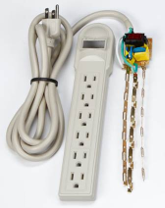
The power is important, so my approach is to avoid getting in its way, let it flow. A common way to impede the flow is by using a household surge protector. In a demanding system, these convenience and inexpensive power strips have the potential to:
- Introduce ground noise that leads to hum or buzz
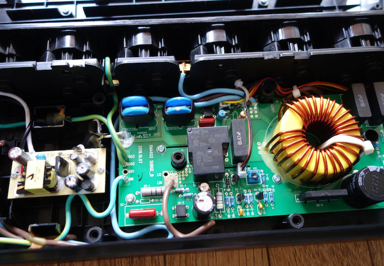
- Thin internal wire that limits current and choke dynamics
- No noise filtering or voltage regulation
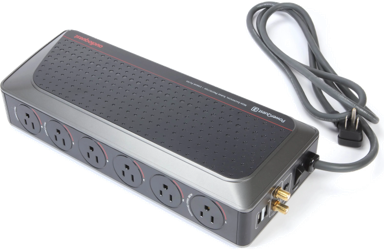
My philosophy is that unless you can afford a quality power strip, keep your amplifier plugged into the wall. This isn’t always practical and, in that case, save up for something like AudioQuest’s PowerQuest 2 Power Line Filter for $280.
Speaker Stands
If you are like me, the price of quality speaker stands seems excessive. Visually there doesn’t appear to be much to them.
Quality speaker stands are essential to the performance of your stand-mount loudspeakers. Some speaker manufacturers sell matching stands like KEF, Bowers and Wilkens, Wharfedale, and Klipsch among others. If you choose that route understand that if you change your speakers the stands will still work but won’t match as well.
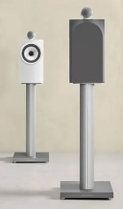
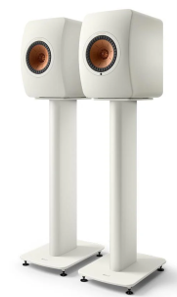
Buying the wrong stand can lead to speakers toppling over with the slightest bump. In the case of sonics, a thin metal stand could have a subtle ringing sound.
Quality stands are an important part of your speaker’s performance and for that reason I suggest buying stands that put your speakers at the proper height for your main listening chair. Your soundstage realism depends on it.
Well-designed stands allow you to fill the empty metal pole with sand or non-scent cat liter. This provides stability, muffles the ringing sound, and improves bass definition by being heavy and dense.
One way to decide how much to spend on speaker stands is to allocate a percentage of the cost of your speakers.
Ensure the stands are able to support your speaker’s weight and size and are at the proper height.
Here are a few suggestions:
Sanus SF22: $130
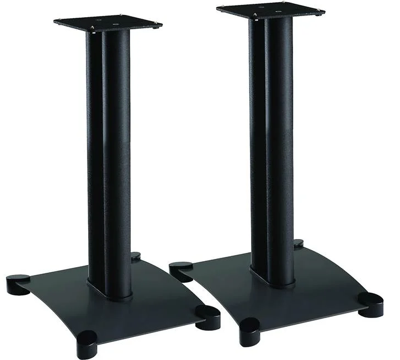
- 22″ tall
- 10-gauge steel construction
- Fillable pedestal with sand or shot to add mass
- Includes rubber feet, steel spikes, and resonance dampening rings
Kanto SX22: $340
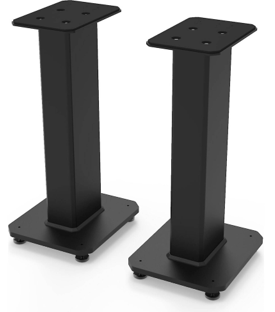
- 22″ tall
- Includes spikes with silicone pads
- Heavy-duty steel construction
- Pedestal fillable with sand or shot for added mass
Solidsteel SS-6: $699
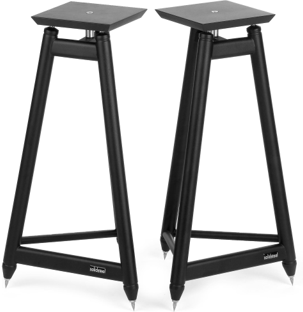
- 24.5″ tall
- Steel tube construction
- Anti-resonant paint finish
- Includes spikes and puddy pads
Our recommendations reflect our personal experience with the equipment reviewed and should be considered alongside your own listening preferences and room acoustics. We encourage readers to audition audio equipment whenever possible. Great sound is personal, and the best component is the one that brings you closer to your music.
